Modern tabletop gaming has transformed from a simple pastime into a dynamic tool for fostering cognitive development and building collaborative skills. As players face increasingly complex scenarios, the demand for unconventional thinking has turned cardboard boards into arenas for real-world innovation. Engaging with these structural mechanics allows individuals to practice adaptive tactics that are directly applicable to modern professional environments.
The Psychology of Strategy and Lateral Thinking
Board games that emphasize open-ended choices encourage players to look past obvious paths and discover alternative routes to victory. By forcing participants to work within tight constraints and limited resources, these systems trigger unique cognitive responses that enhance fluid intelligence. Over time, navigating these interactive puzzles trains the human brain to approach daily setbacks with a highly analytical and flexible mindset.
Furthermore, many contemporary designs deliberately introduce unpredictable variables that disrupt traditional planning. When a carefully structured strategy suddenly becomes obsolete, players must quickly pivot and invent completely new methods to sustain their progress. This ongoing need for quick thinking builds personal resilience and teaches individuals how to manage unexpected risks effectively.
Collaborative Mechanics and Cooperative Triumphs
Unlike purely competitive titles, cooperative board games shift the focus toward shared victories and collective problem-solving dynamics. These designs require participants to openly share insights, debate various tactical options, and pool their unique player abilities to defeat the built-in game system. Working toward a unified objective shows how combining different viewpoints can lead to highly innovative outcomes.
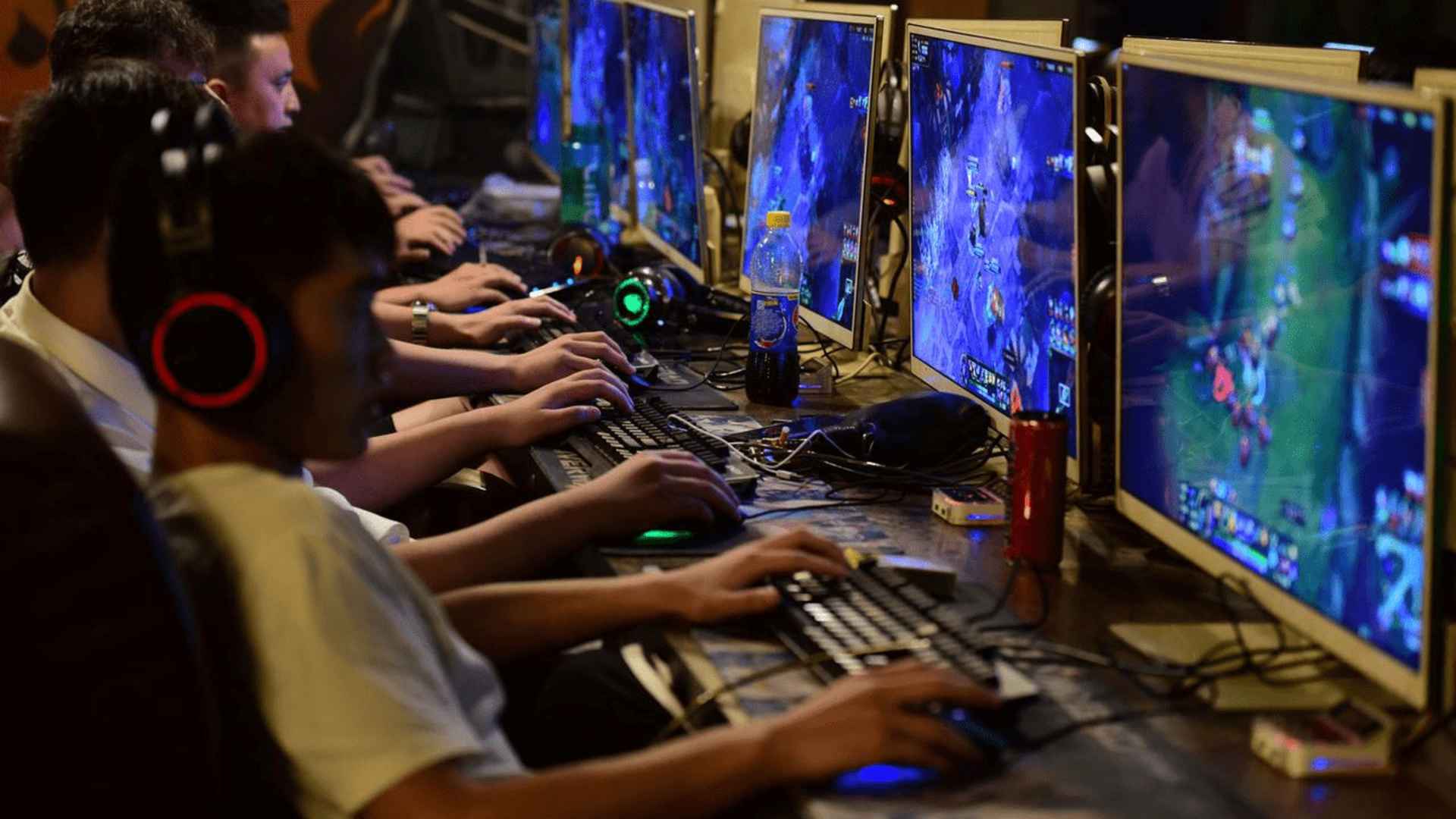
For individuals looking to explore digital variants of competitive entertainment, checking out modern analytical platforms like M88 esports can offer insights into rapid tactical coordination. However, the physical interactions found in cooperative analog games remain uniquely powerful for strengthening team communication. These shared sessions help cultivate an environment where outside-the-box ideas are welcomed and refined by the whole group.
Resource Management and Tactical Efficiency
Many deep strategy games rely heavily on intricate economic models where success depends on maximizing minimal starting capital. Players are forced to balance short-term survival needs against extensive long-term investments, simulating real-world financial planning. Making choices under these conditions helps participants develop an intuitive understanding of efficiency, opportunity costs, and strategic foresight.
Additionally, optimizing a supply chain or managing limited territory requires an immense amount of spatial and logical planning. Finding a balanced solution that outmaneuvers opponents without overextending assets requires a deep level of patience and calculation. This structured mental practice sharpens mathematical logic and enhances everyday organizational decision-making capabilities.
Designing a Diverse Home Library for Mental Growth
Building a well-rounded tabletop collection involves selecting titles that offer varied mechanical challenges and thematic backgrounds. Integrating a balanced blend of engine-building games, hidden information puzzles, and collaborative campaigns ensures that different parts of the brain are regularly stimulated. This diversity keeps game nights engaging while constantly introducing new mental frameworks to master.
Ultimately, investing in thought-provoking tabletop experiences provides sustainable entertainment that goes far beyond simple screen-free distraction. The interactive challenges found within these systems leave lasting impressions, helping players develop sharper mental toolkits. By exploring these sophisticated designs, families and friends can enjoy memorable social gatherings while simultaneously boosting their creative potential.