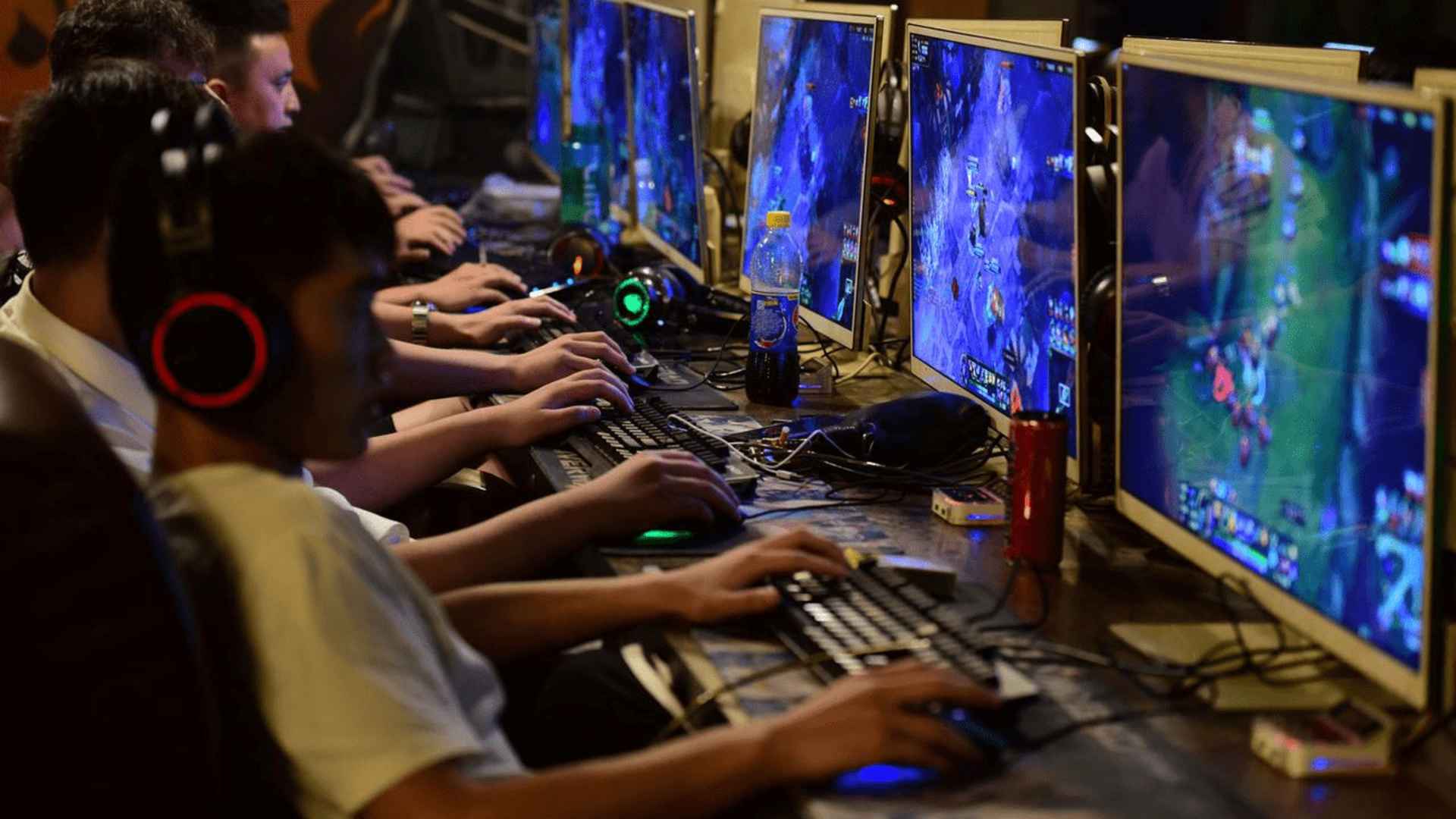
The digital age has transformed online arcade games from simple leisure activities into powerful tools for enhancing physical and mental dexterity. Modern browser-based experiences now demand high levels of concentration and rapid motor responses that challenge the nervous system in unique ways.
The Neuroscience of High Speed Gaming
Engaging with fast-paced arcade titles requires the brain to process visual stimuli and execute physical actions with surgical precision. This continuous cycle of observation and reaction serves as a form of high-intensity training for your hand-eye coordination.
Research suggests that players who regularly interact with demanding digital environments often demonstrate faster reaction times in real-world scenarios. By pushing the boundaries of your cognitive speed, these games help maintain mental agility across all age groups.
Unlike traditional learning methods, the immediate feedback loop of an arcade game ensures that your brain constantly adapts to new obstacles. This adaptive process is essential for building the muscle memory needed for split-second decision making.
Improving Motor Skills Through Interactive Play
Modern arcade mechanics often involve complex patterns that require rhythmic input and steady focus to overcome. These interactive challenges force the player to synchronize their visual tracking with precise finger movements on a keyboard or touchscreen.
As difficulty levels scale, the margin for error decreases, requiring even more refined control and heightened awareness of the digital landscape. This progression ensures that the skill ceiling remains high, providing long-term benefits for dedicated players.
Many individuals find that testing their limits in a controlled virtual environment helps sharpen their focus during daily tasks. The mental discipline required to achieve a high score often translates into improved productivity and better spatial awareness.
The Evolution of Skill Based Digital Platforms
The transition toward more sophisticated web technologies has allowed developers to create highly responsive environments that feel fluid and natural. These improvements in latency and frame rates are crucial for games that rely heavily on timing and accuracy.
Finding a platform that offers a diverse range of mechanical challenges is the first step toward building your personal training regimen. For instance, exploring the mechanics of a modern M88 slot can provide insights into how visual cues influence timing and anticipation.
Competitive leaderboards further encourage improvement by allowing you to measure your reflex speed against a global community. This social drive for mastery keeps the experience engaging and motivates players to refine their skills daily.
Practical Tips for Maximizing Reflex Gains
To see genuine improvement in your reaction speed, it is important to practice in short, focused sessions rather than long marathons. Consistent daily engagement allows the brain to consolidate new motor patterns more effectively over time.
Varying the types of arcade genres you play can also prevent your progress from plateauing by introducing different visual and rhythmic stimuli. Switching between high-speed racing and precision-based shooters keeps the cognitive challenge fresh and effective.
Maintaining a healthy balance between digital play and physical rest is essential for preventing mental fatigue. Ensuring you are well-rested will help you achieve peak performance and allow your nervous system to recover after intense gaming sessions.